Sponsorship for individual athletes: how micro-sponsorship works
Cómo funciona el micro-patrocinio para deportistas individuales: qué puedes ofrecer, cuánto vale y cómo cerrar acuerdos pequeños.
You don't need to be a whole team to secure financial support. More and more sponsors for individual athletes are backing amateur athletes who compete solo: cyclists, runners, triathletes, swimmers or combat sports competitors. It's called micro-sponsorship, and it consists of small, specific, renewable agreements between an athlete and a local business that wants visibility without spending a fortune.
What micro-sponsorship is and why it's growing
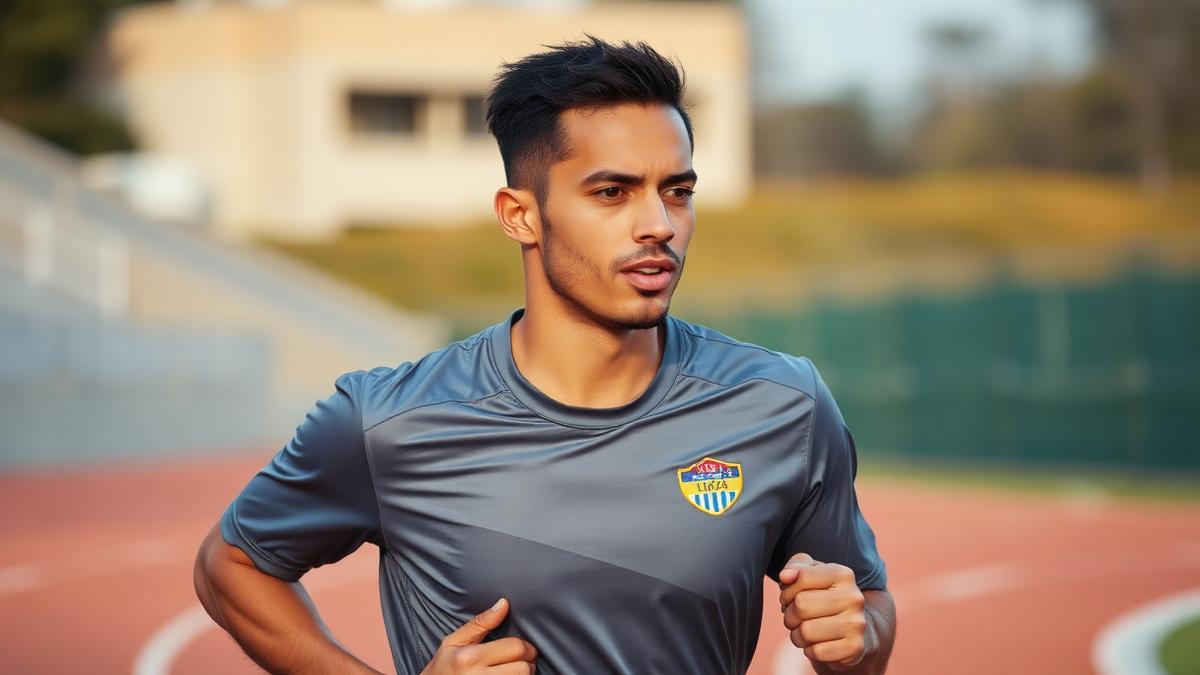
Micro-sponsorship is the small, agile version of traditional sports sponsorship. Instead of contracts worth thousands of euros with big clubs, neighbourhood businesses or self-employed owners of a local business fund a single athlete in exchange for a space on their kit. It's cheaper for the company and more accessible for the athlete, who doesn't need to belong to a federated club or have a massive following to get started.
This type of agreement works very well because both parties come out ahead with little risk: the business tries out sponsorship without committing a large budget, and the athlete manages to fund part of their season without relying on a single source of income.
What an amateur athlete can offer in return
Before going out to seek support, it's worth being clear about what's on the table. An individual athlete has more resources than they think to make an agreement attractive:
- A space on the kit: chest, back, sleeve or shorts, depending on the zone negotiated.
- The competition bib number itself, visible in official photos and rankings.
- Mentions and social media posts before and after each event.
- Presence at local, regional or national competitions, with a real audience at the start and finish lines.
- Quality photos after each race or training session for the brand to reuse on its own channels.
How to evaluate a sponsorship offer
Not every proposal is worth the same, and you don't have to accept the first one that comes along. Before signing anything, it's worth asking whether the brand fits your image as an athlete, whether the commitment requested is realistic for your schedule, and whether the compensation (financial or in kind) matches the visibility effort you'll be providing.
Signs that an agreement is reasonable
- The commitment to posts or appearances is clearly defined in writing, with no ambiguity.
- The agreement's duration has a start and end date, with the option to renew it if it works well.
- The company understands you're an amateur athlete, not an advertising agency.
Which businesses to approach first
The best candidates are usually businesses close to you: the physiotherapy clinic where you're treated, the local sports nutrition shop, the gym where you train, a hardware store, an accountancy firm or a bar where your training group meets. These are companies that already know you, understand your effort and value being associated with a dedicated athlete from their own community.
If you want to organise this search and stop relying on word of mouth, on Patrosport you can create your athlete profile and look for sponsors for free, with no cost to register.
Small, renewable agreements with no major risks
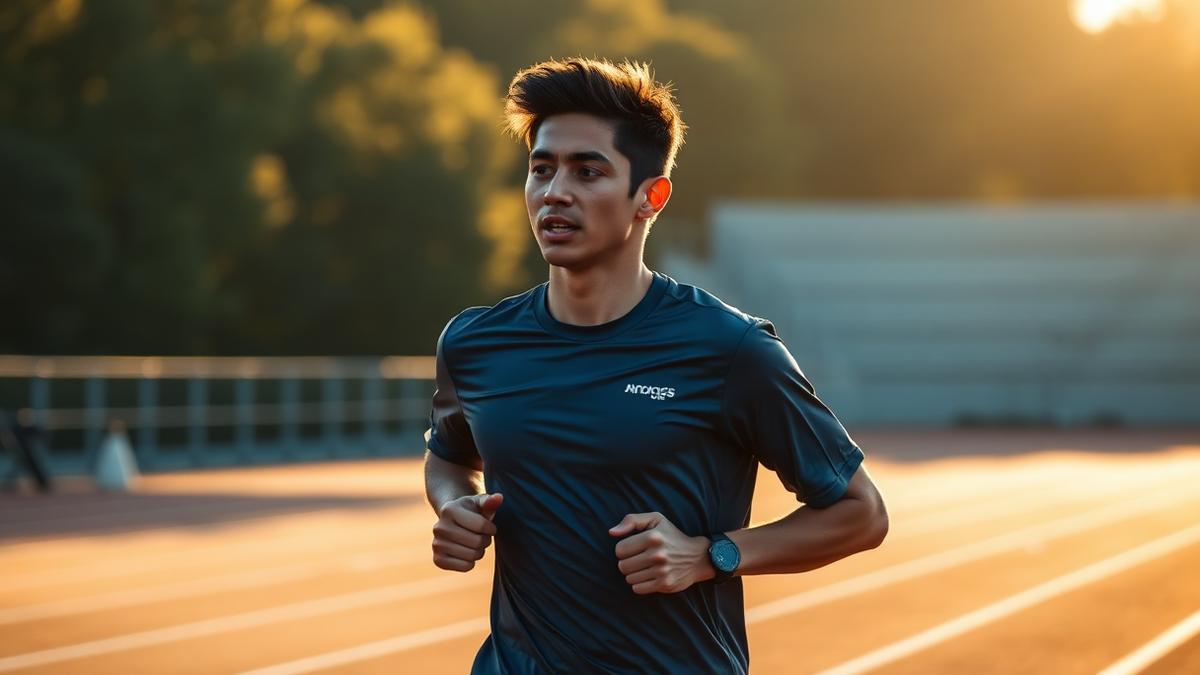
One of the advantages of micro-sponsorship is that it doesn't require a long-term commitment from day one. It's common to start with an agreement for a single season or even a single competition, and renew it afterwards if both parties are satisfied. This reduces the pressure on the athlete and also on the company, which can assess results before increasing its investment.
Over time, an athlete can end up combining several micro-sponsorships across different zones of their kit: one company on the chest, another on the back and a third on the sleeve. This diversifies funding instead of relying on a single sponsor.
How to formalise the agreement
Once the company and the athlete agree on the kit zone, the duration and the considerations, it's advisable to put it in writing. On Patrosport, once the match happens, a contract is signed with an electronic signature and the team or athlete posts on Instagram tagging the sponsoring company, leaving public record of the agreement from day one.
The company covers the cost of manufacturing and shipping the patches, and the athlete only pays a management fee if they actually secure the sponsorship, calculated in tiers based on the amount obtained. There's no cost if there's no result, which makes it worth trying even if your starting budget is modest.
Micro-sponsorship isn't after big headlines: it's after small, honest, sustainable agreements over time.
If you compete individually and haven't yet tried looking for financial support, now is a good time to start. You don't need to be a professional or have thousands of followers: you need consistency, a decent social media presence and the willingness to offer something in return. The rest is a matter of finding the right business and taking the step.
Ready to get sponsorship for your team?
Sign up for free and start receiving proposals from like-minded companies.
Register my team for free