
Sports sponsorship dossier template (free download)
Plantilla de dossier de patrocinio deportivo lista para personalizar: estructura, datos clave y errores que espantan a las marcas.
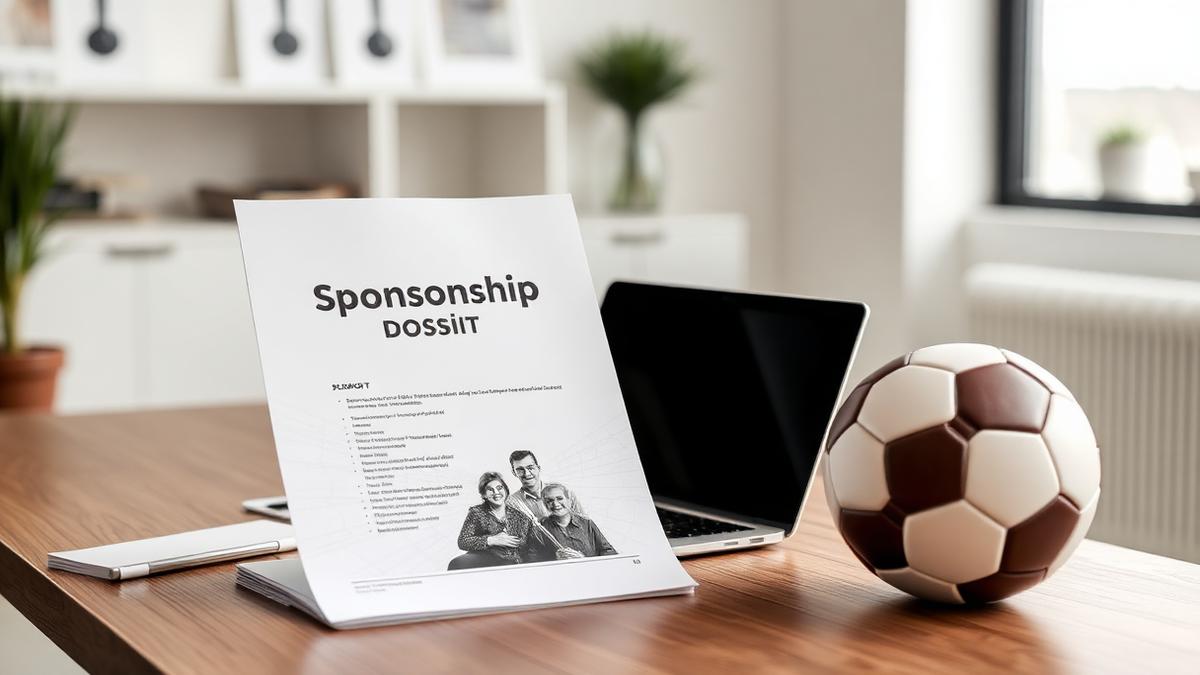
Before writing the first email to a company, your team needs something more convincing than an improvised phone call: a well-built sports sponsorship dossier. It's the document that turns a vague idea into a serious proposal, with data, prices and clear returns, and that makes it much easier for a company to say yes.
Why you need a sponsorship dossier and not just a chat
When you talk about sponsorship in passing, the company is left with a hazy idea. A well-structured document lets them read it calmly, discuss it with their team and make a decision without relying on remembering exactly what you told them.
It also conveys professionalism: a club that has taken the time to prepare a serious dossier gives confidence that it will manage the agreement well and deliver on what's agreed.
Structure of a sports sponsorship dossier, section by section
1. Cover page
Team name, crest, category and a strong image of the group playing. It should convey what the document is about in three seconds.
2. Who we are
A brief history of the club: when it was formed, which league it competes in, how many players make up the squad and what values it represents. There's no need to go on at length; a warm, honest paragraph is enough.
3. Audience and data
This is where many teams fall short, yet it's the part that interests the company most. Include the number of followers on social media, average match attendance, the number of families linked to the club and any data that helps size the real reach.
- Followers and average reach on Instagram or other team channels.
- Number of matches and training sessions per year, with estimated attendance.
- Fan profile: ages, geographic area, connection to the club.
- Special events: tournaments, finals, days with higher attendance.
4. Available zones and prices
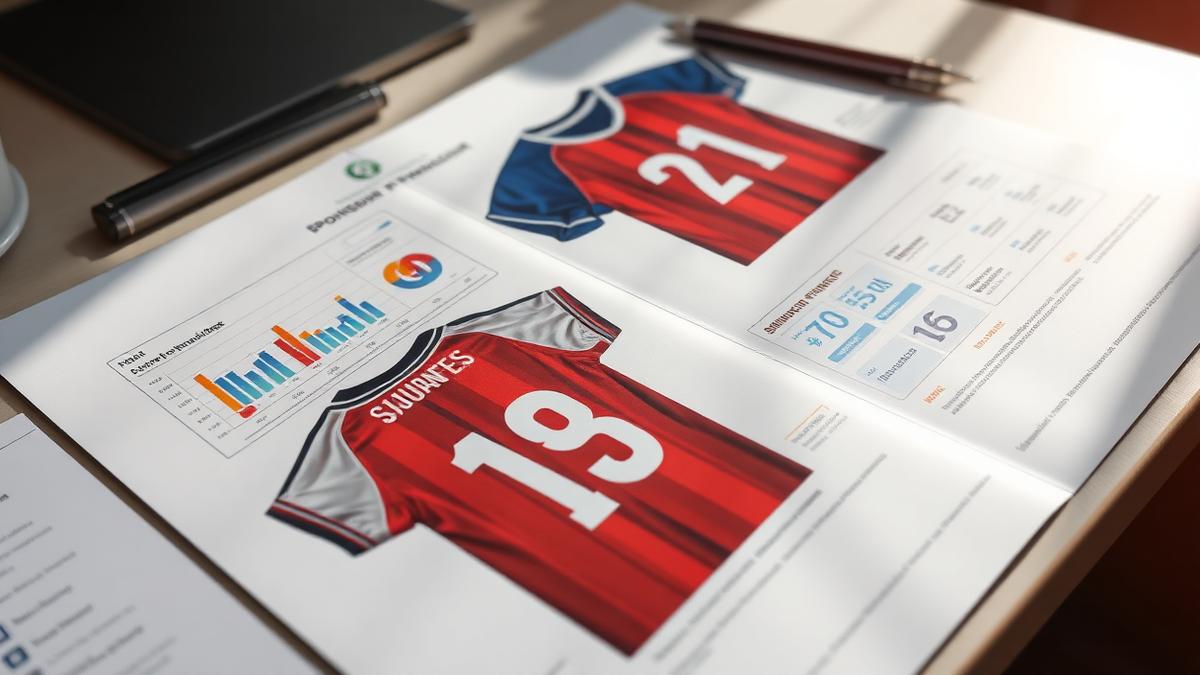
Clearly show which kit zones are available: chest, back, sleeve or shorts, each with its indicative price. A table or visual list works better than a long paragraph, because the company wants to compare options at a glance.
5. What the company gets in return
Explain exactly what the company receives in exchange: presence on the kit throughout the season, social media posts tagging its brand, a mention at club events or a presence on its website, if you have one.
6. Use cases or visual examples
Include photos or mock-ups of how the logo would look on the shirt. It helps enormously for the company to picture the final result before committing.
7. Contact
Close with a point of contact, phone number, email and, if possible, a link where they can see more information or confirm their interest directly.
Mistakes that scare brands off
A poorly put-together sponsorship dossier can ruin a good opportunity, even when the team has plenty to offer.
- Asking for a figure without backing it up with audience or visibility data.
- Documents that are too long, with generic text copied from other clubs.
- Not specifying exactly which kit zone is on offer.
- Forgetting contact details or leaving them hard to find.
- Not mentioning how the agreement is formalised or the patch delivery timescales.
A clear dossier doesn't sell dreams, it sells certainties: what the company gets, when and how.
Reusable template for your own dossier
You can use this outline as a direct script to put together your document in any text or presentation editor:
- 1Cover page with crest, team name and a group photo.
- 2Half a page introducing the club and its history.
- 3Audience data: social media, match attendance, fan profile.
- 4Table with available kit zones and the indicative price for each.
- 5List of what's offered in return: posts, kit presence, mentions.
- 6Image or mock-up of the logo applied to the shirt.
- 7Contact details and the next step to formalise the agreement.
How Patrosport simplifies this process
Putting together a dossier from scratch takes time that many teams don't have between training sessions and matches. On Patrosport, registration is free and your team profile works as an always up-to-date version of your dossier: available zones, prices and data visible to companies already looking to sponsor.
You only pay a management fee if you secure the sponsorship, with tiers ranging from 14% on small deals to 6% on the largest ones, and manufacturing the team's patches is included in that fee. The company, for its part, only pays for manufacturing and shipping once the match is formalised, and everything is set out in a contract with an electronic signature, along with the team's commitment to post on Instagram tagging the sponsor.
If you'd rather focus on the pitch and leave the commercial side sorted, you can create your team profile and use it as your permanent dossier, ready for companies to find when they're looking to sponsor.
A good dossier doesn't guarantee a yes from every company, but it multiplies your chances compared with an improvised message. Spend an afternoon on it, keep it updated every season, and you'll notice the difference in how businesses in your area respond.
Ready to get sponsorship for your team?
Sign up for free and start receiving proposals from like-minded companies.
Register my team for free